The Art and Craft of Foley Sound Services in Modern Audio Post-Production
Why Foley Still Matters in a World of Digital Sound Effects
Walk into any serious Foley stage in Los Angeles and the first thing you notice is the floor. It is not carpeted. It is a patchwork of wood, concrete, tile, and gravel, each section there for a reason. That floor is a tool, just as much as the mixing console or the Pro Tools rig. It is where a Foley artist turns a handful of props into the heartbeat of a scene. For anyone working in audio post-production, understanding what real Foley sound services bring to a project is essential. It is the difference between a film that feels alive and one that just sounds technically correct.
I have spent years on both sides of the glass, first as a sound designer and later supervising post-production for independent features and national commercials. I have watched editors try to build a fight scene from a sound effects library and wonder why it feels hollow. The answer is almost always the same: they skipped the Foley. No amount of digital manipulation can replace the physicality of a Foley walker stepping onto a Foley pit filled with debris, or the subtle rustle of fabric recorded in a quiet Foley studio. Those sounds carry a texture that samples cannot fake.
What Foley Sound Services Actually Entail
When a production team hires Foley sound services, they are buying more than just a room full of junk and a microphone. They are buying the expertise of a Foley artist who understands how to read a scene and translate its physical reality into audio. A good Foley artist knows that footsteps on a wooden deck sound different depending on the character's weight, mood, and shoe type. They keep a collection of Foley shoes for just that reason. They also know that a single Foley prop can produce multiple sounds depending on how you handle it. A leather jacket can be a seatbelt, a horse's tack, or a struggle, all depending on the context.
The typical session starts with a spotting session. The sound designer and the Foley artist sit down and watch the picture together. They decide which sounds need to be built from scratch and which can be pulled from a Foley library. This is where judgment matters. Some sounds, like a door closing or a glass being set down, might be fine from a library. Others, like a specific character's footsteps on a unique surface, need to be performed live. That is where the Foley stage comes in. The floor is dressed to match the scene. The artist watches the monitor and moves in sync with the actor's body language. It is a performance, not a recording.
The Tools of the Trade: From Foley Pads to Pro Tools
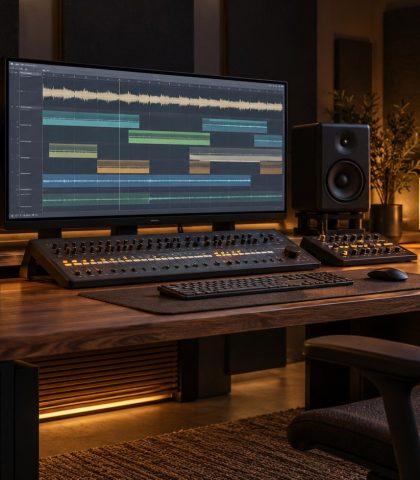
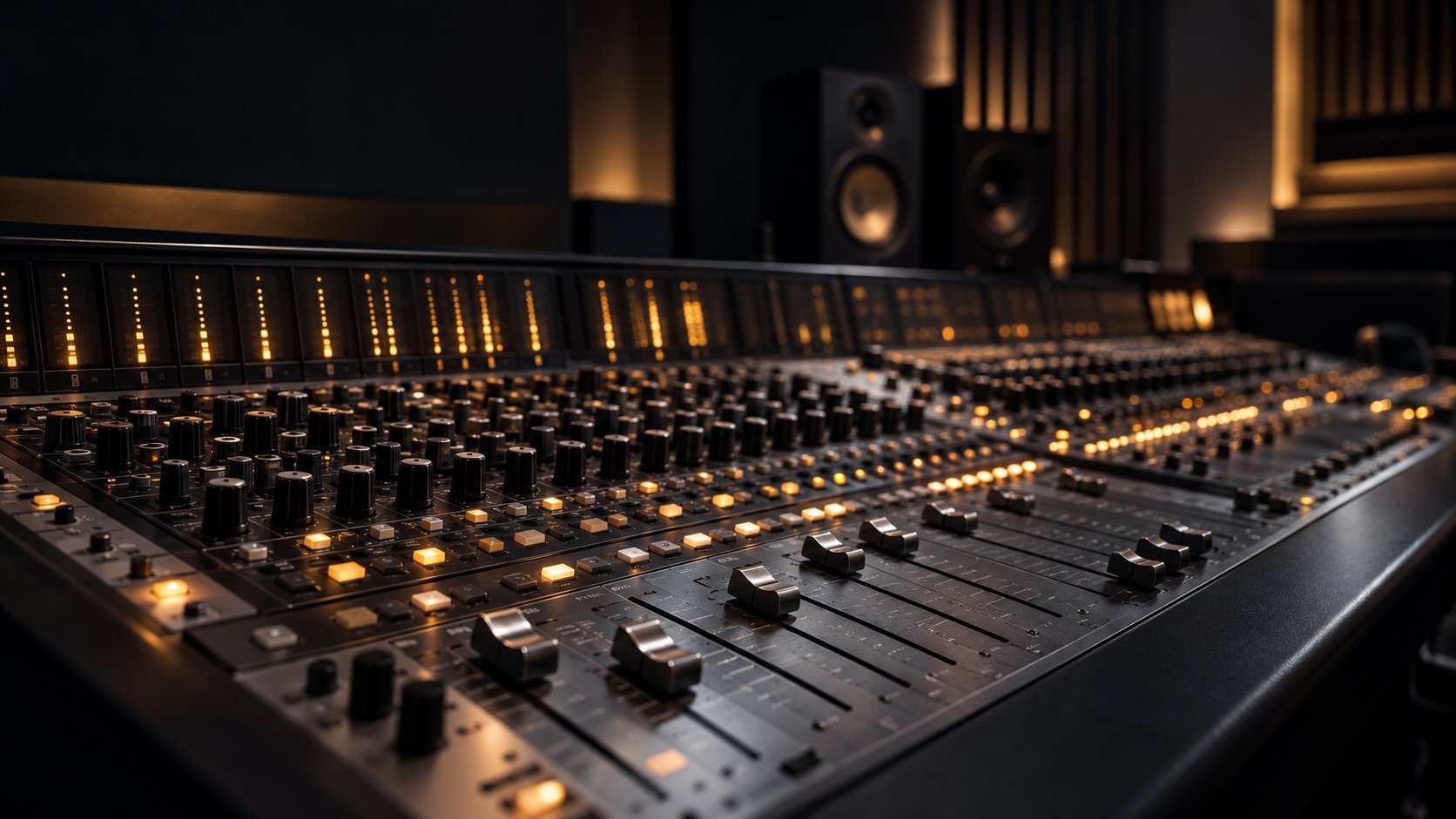
The equipment on a Foley stage is deceptively simple. You will find a large mixing console feeding into Pro Tools, often with multiple microphones positioned to capture different perspectives. The Foley pads are laid out on the floor and on tables, covering different textures. A typical setup might include a patch of concrete for urban scenes, a wooden platform for interior floors, and a gravel tray for outdoor paths. The Foley pit is a sunken area filled with dirt, sand, or leaves that the artist can walk through. It is a controlled environment designed to capture clean, isolated sounds without background noise.
But the real magic is in the props. A Foley artist's studio is part hardware store, part antique shop, and part costume closet. There are buckets of broken glass, bins of metal chains, and racks of leather belts. Every item has been tested and catalogued. The artist knows that a wet towel slapped against a table sounds like a body hit, and that a pair of gloves rubbed together can mimic a bird's wings. The goal is always the same: create a sound that the audience will believe without question. That requires both creativity and discipline.
Why Foley Sound Services Are Not Just for Film
Many people assume Foley is only for big-budget movies, but that is not true. Commercials, trailers, and even video games rely heavily on Foley sound services to create a convincing sonic world. In a thirty-second spot for a luxury car, every door close and footstep on gravel needs to sound premium. A generic library sound will not sell that feeling. The same goes for a trailer for a horror film. The creak of a floorboard, the brush of fabric against a wall, the snap of a twig, these are all sounds that a Foley artist can tailor to the director's vision. The result is audio that supports the story without calling attention to itself.
I once worked on a project where the director insisted on using library sounds for all the footsteps because they thought it would save time. After the first edit, he realised the footsteps had no connection to the actor's rhythm. They felt disconnected. We brought in a Foley walker for a half-day session and replaced every footstep. The difference was immediate. The scene had a pulse. That is the value of hiring a professional Foley studio. It is not just about getting the sound right. It is about getting the timing and emotion right.
The Relationship Between Foley and ADR
Foley often works alongside ADR, or automated dialogue replacement. When actors come into a voiceover booth to re-record lines, the audio post-production team needs to match the ambient sound of the original location. That is where Foley comes in. The same Foley pads and props used for footsteps can also create the subtle background texture that makes ADR feel seamless. A good Foley artist will record room tone and surface sounds that the mixing engineer can layer under the new dialogue. It is a collaborative process that requires clear communication between the Foley artist, the sound designer, and the mixer.
In a well-run session, the Foley artist will watch the ADR playback and adjust their performance to match the actor's delivery. If the actor is whispering, the Foley should be quieter. If the actor is running, the Foley should breathe. This level of detail is what separates professional Foley sound services from a hobbyist recording in their garage. It is a craft that takes years to develop.
Building a Foley Library of Your Own
Many sound designers maintain a personal Foley library, but that is not a substitute for recording fresh sounds. A library is a starting point, not a solution. The best Foley artists I know treat their libraries as reference material. They listen to a sound in the library to remind themselves of a technique, then go out and record a new version for the specific project. That is why Foley sound services remain relevant. No two scenes are exactly alike, and no two performances are either. A library sound is a static recording. A Foley artist's performance is alive.
That said, building a library is still a useful exercise. It forces you to think about what sounds you use most often and how you can improve them. Start with the basics: footsteps on different surfaces, doors of various materials, cloth movements, and object impacts. Record them clean and label them carefully. Over time, your library becomes a tool that speeds up your workflow without sacrificing quality. Just remember that it is a supplement, not a replacement.
Choosing the Right Foley Studio for Your Project
If you are producing content in Los Angeles, you have options. The key is to find a studio that understands your project's tone and technical requirements. Look for a space with a well-maintained Foley stage, a quiet control room, and a mixing console that integrates smoothly with Pro Tools. The Foley artist should have experience with your type of content, whether that is a dramatic feature, a fast-paced trailer, or a dialogue-heavy commercial. Ask about their Foley prop collection and whether they have the specific items your scenes require. A good studio will be happy to discuss their setup and past work.
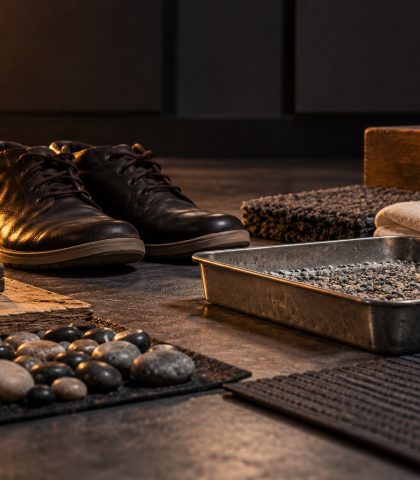
Do not underestimate the importance of the Foley pit. A proper pit allows for natural movement and clean recording. If the studio does not have one, ask how they handle outdoor or textured surfaces. Some studios use portable Foley pads to create temporary surfaces, but a dedicated pit is always preferable. The same goes for the voiceover booth. If your project involves ADR, make sure the booth is isolated and treated for sound. A noisy booth will ruin a good Foley take.
The Human Element
At its core, Foley is a human art. The Foley artist brings a physical presence to the sound that machines cannot replicate. That is why even the most advanced sound effects libraries still rely on real performances. When you hire Foley sound services, you are hiring someone who will watch your film and feel it. They will make choices based on empathy, not algorithms. That is a rare thing in an industry that is increasingly automated. It is also why Foley remains one of the most respected disciplines in audio post-production. It is honest work, and it shows in the final product.